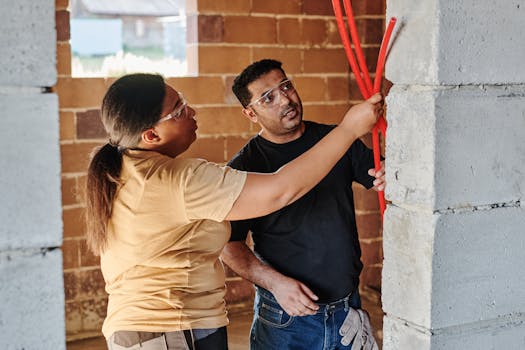

We’ve all seen the triumphant photos – a perfectly restored antique dresser, a custom-built bookshelf that fits a niche like a glove, or a garden shed that stands proud against the elements. These are testaments to the ingenuity and satisfaction of the DIY spirit. Yet, lurking beneath the surface of every ambitious project lies a fundamental question that often gets sidelined: how robust is our approach to DIY project safety? It’s easy to fall into the trap of believing that simply owning a pair of safety glasses equates to comprehensive protection. However, true DIY project safety is a multi-layered discipline, demanding more than just basic precautions; it requires analytical foresight, continuous learning, and a deep respect for the inherent risks involved. This article delves into the often-overlooked nuances of safeguarding your creative endeavors, moving beyond the superficial to foster a truly secure workshop environment.
The Psychological Underpinnings of DIY Project Safety: Why Complacency is the Silent Saboteur
It’s fascinating how our minds operate when faced with tasks we enjoy. The thrill of creation, the satisfaction of problem-solving, and the sheer dopamine hit of completing a project can, paradoxically, breed a sense of overconfidence. We might dismiss a minor cut as a badge of honor or consider a bit of dust inhalation a temporary inconvenience. This is where the first critical layer of DIY project safety is challenged – our own perception.
The “It Won’t Happen to Me” Syndrome: This is perhaps the most insidious psychological barrier. We see others experience mishaps, but our brains often categorize these as isolated incidents, distant from our own perceived skill and care.
Task Fixation and Tunnel Vision: When engrossed in a complex task, it’s natural to focus intently on the immediate objective. This intense concentration, while necessary for execution, can sometimes lead to a diminished awareness of surrounding hazards or the cumulative effects of prolonged exposure to certain materials.
The Normalization of Risk: Over time, if minor incidents occur without severe consequences, we can begin to accept a certain level of risk as part of the process. This normalization can gradually erode our vigilance.
Understanding these psychological tendencies is the first step towards building a more resilient safety framework. It’s not about being fearful, but about being acutely aware of our own cognitive biases.
Beyond the Obvious: Unpacking Less-Discussed Hazards in DIY
While everyone knows about sharp edges and flying debris, the world of DIY presents a more intricate tapestry of potential dangers. Many of these are insidious, developing over time or stemming from a lack of understanding about material properties and chemical interactions.
#### The Invisible Threats: Airborne Particulates and Chemical Exposures
Working with wood, paint, adhesives, or older building materials can release microscopic particles and volatile organic compounds (VOCs) into the air. Inhaling these without adequate protection is a significant risk factor for long-term respiratory issues.
Dust Inhalation: Sanding, sawing, and even sweeping can generate fine dust particles, some of which, like silica from concrete or lead from old paint, are particularly hazardous.
Fume Exposure: Solvents, glues, and certain finishing products can off-gas harmful fumes. Proper ventilation is not just about comfort; it’s about health.
Allergenic Reactions: Some materials, especially certain types of wood or finishes, can trigger allergic reactions in susceptible individuals.
#### Electrical Currents: More Than Just a Shock Hazard
Faulty wiring, overloaded circuits, or using tools with damaged cords can lead to electrocution. It’s a stark reminder that electricity is not to be trifled with, even in seemingly low-voltage applications.
Tool Cord Integrity: Regularly inspect power cords for nicks, cuts, or fraying.
GFCI Protection: Employ Ground Fault Circuit Interrupters (GFCIs) when working with power tools, especially in damp environments.
Understanding Load: Be mindful of the total wattage being drawn from an outlet to prevent overheating and potential fires.
The Hierarchy of Controls: A Structured Approach to DIY Project Safety
The concept of the “hierarchy of controls” is a cornerstone of industrial safety, and its principles are highly applicable to the DIY space. It prioritizes methods of risk reduction from most effective to least effective.
#### 1. Elimination & Substitution: The Ultimate Prevention
Can the hazardous material or process be removed entirely? Or can it be replaced with a less hazardous alternative?
Example: Instead of using harsh chemical strippers, opt for a heat gun or mechanical sanding for paint removal. Consider using water-based paints and finishes.
#### 2. Engineering Controls: Isolating the Hazard
These controls involve modifying the environment or equipment to reduce exposure.
Ventilation Systems: Installing an effective dust collection system for woodworking or ensuring good cross-ventilation in your workspace.
Machine Guards: Ensuring all machinery has its safety guards in place and functioning correctly.
#### 3. Administrative Controls: Changing How Work is Done
These are policies, procedures, and training designed to minimize exposure.
Work Practices: Establishing clear protocols for tool use, material handling, and clean-up.
Task Rotation: If a task involves prolonged exposure, rotate workers to reduce individual cumulative exposure.
Regular Inspections: Implementing a routine check of tools, equipment, and the workspace for potential hazards.
#### 4. Personal Protective Equipment (PPE): The Last Line of Defense
While essential, PPE is the least effective control measure because it relies on correct usage and doesn’t eliminate the hazard itself.
Eye Protection: Safety glasses, goggles, or face shields appropriate for the task.
Respiratory Protection: Dust masks, respirators with the correct cartridges for specific chemicals.
Hearing Protection: Earplugs or earmuffs when working with noisy machinery.
Hand Protection: Gloves suited to the materials being handled.
Foot Protection: Sturdy, closed-toe shoes.
Cultivating a Culture of Continuous Improvement in Your DIY Practice
Mastering DIY project safety isn’t a one-time achievement; it’s an ongoing process of learning, adaptation, and refinement. It’s about cultivating a mindset where safety is intrinsically linked to quality and longevity of your projects.
Research Your Materials: Before you start, understand the safety data sheets (SDS) for any chemicals you’re using. They contain vital information on hazards and safe handling.
Tool Mastery: Don’t just own tools; understand them. Learn their proper operation, maintenance requirements, and inherent risks.
Post-Project Review: After completing a project, take a moment to reflect. What went well from a safety perspective? What could have been improved? What did you learn?
Stay Informed: The world of tools, materials, and safety regulations evolves. Keep an eye on industry best practices and new safety technologies.
Wrapping Up: Elevating Your DIY Journey with Vigilant Safety
The allure of DIY lies in empowerment and creation. However, this pursuit is most rewarding and sustainable when underscored by a profound commitment to DIY project safety. Moving beyond a superficial checklist of protective gear, we’ve explored the psychological traps, the often-unseen hazards of materials and electricity, and the structured approach of the hierarchy of controls. By integrating these analytical and proactive strategies into your workflow, you not only safeguard yourself and your workspace but also elevate the quality and integrity of every project you undertake. Remember, a safe workshop is a productive workshop, allowing your creativity to flourish without the shadow of preventable harm.